 (714) 519-6348
 info@m1landscapingllc.com
A new lawn looks finished the day it goes down, but the real work starts beneath the surface. In February, the Inland Empire can swing between warm afternoons and cool nights, and that mix changes how fast sod settles in. Homeowners usually want one clear answer: how long will it take before it’s safe to treat it like a normal yard again? Keep reading, and this will make sod installation feel a lot less mysterious.
Understanding the Sod Installation Rooting Timeline
Landscaping Signs Your New Sod Is Rooting Up
Most homeowners are surprised to learn how much sod installation depends on the weather in the first couple of weeks, especially in early-season landscaping projects. February in this area often sees daytime highs around the upper 60s, with nights in the 40s, so roots wake up, then slow back down after sunset. That does not mean sod installation is a bad idea; it just means the timeline is not the same as a hot July week. A lot of sod starts “knitting” to the soil early, but deeper rooting takes longer. That is why one yard can look great at day ten, then get stressed if it is treated as fully established.
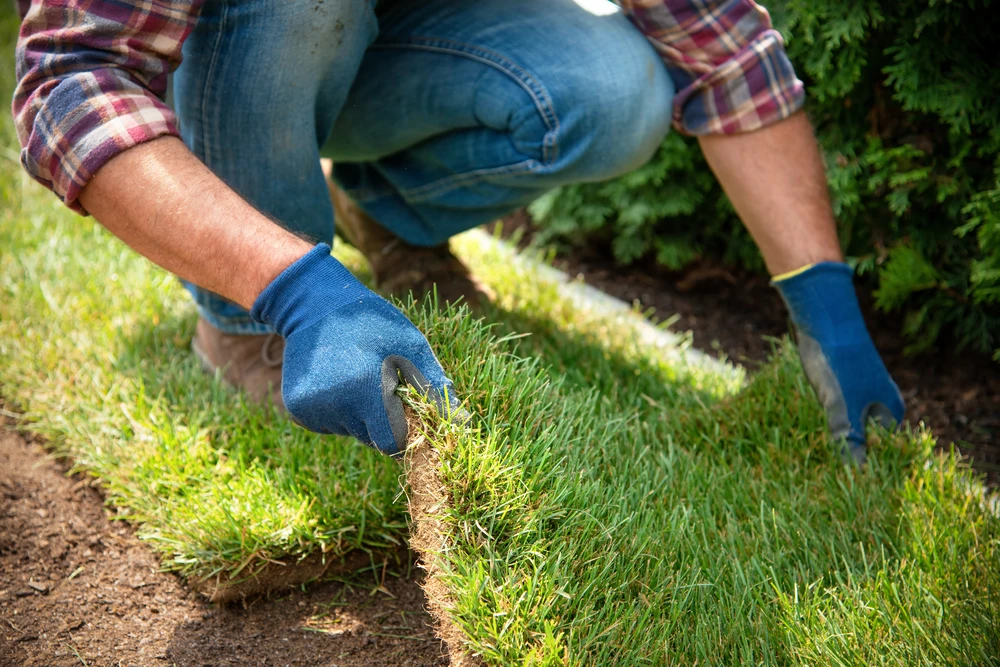
One easy sign homeowners look for is how the edges behave. In Corona, CA, many yards have sun-baked spots near concrete, which can dry out faster than the lawn’s center, even in February. When sod installation is going well, the corners stop lifting, and they stay in contact after a watering cycle. The color also tells a story, but it has to be read carefully. When the lawn starts resisting a gentle tug and feels “anchored,” that is usually the first real sign roots are grabbing on.
Irrigation In First Two Weeks Really Matters
Watering in the beginning is where most sod installation success is won or lost. The top inch of soil needs to stay damp so the roots do not dry out before they can connect, but the yard should not turn into a swamp either. If a dry wind event moves through, that surface moisture can disappear quickly, which is why homeowners sometimes feel like they are watering more than expected. Santa Ana conditions are known for very low humidity, and that kind of air pulls moisture out of turf fast.
At the same time, too much water can slow sod installation in different ways. When soil stays soggy all day, roots can sit shallow, and turf can start looking soft underfoot. This is where it helps to watch the lawn, not just the controller’s clock. A good schedule usually starts with shorter cycles that keep the surface damp, then gradually changes as the sod begins holding on. Once the turf starts to grip the soil, watering can shift from frequent, light watering to less frequent, deeper watering.
Sod Installation: Soil Prep That Works
Landscaping Prep For Sod That Settles In
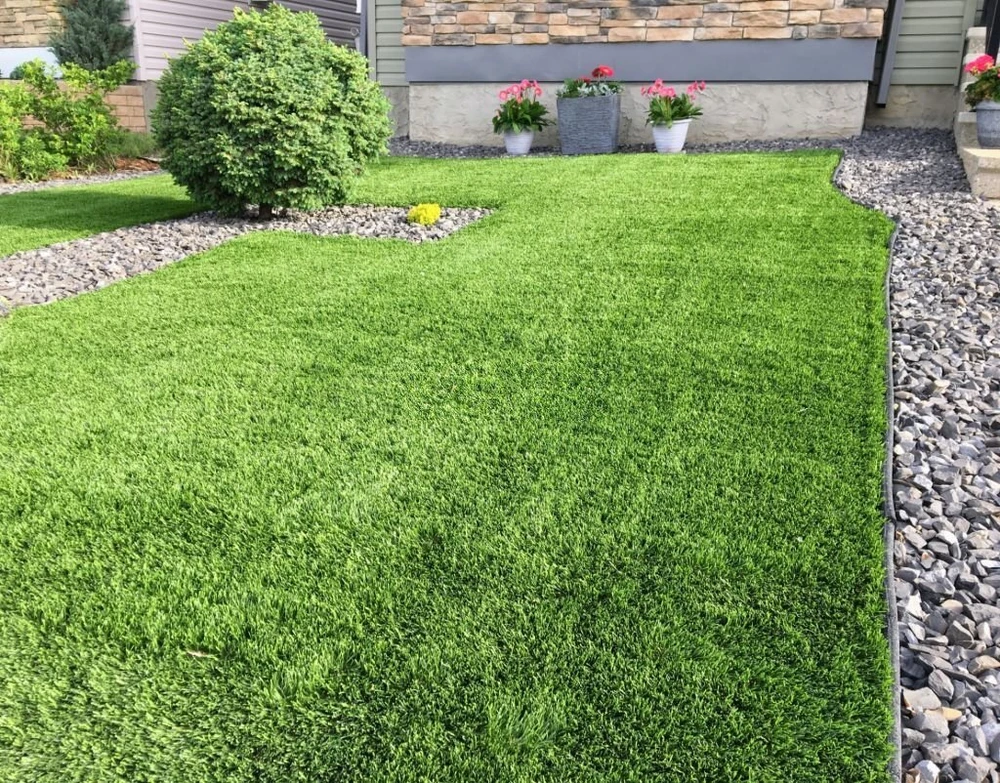
Sod installation is not only about the grass itself, but also about what lies beneath it, which is often overlooked during basic landscaping prep. If the yard has hard, compacted soil, roots hit a wall, and the sod can struggle even with good watering. When the soil is prepped correctly, it is easier to keep moisture even across the lawn, and the sod tends to settle faster. That preparation usually includes loosening the top layer, removing rocks that create air gaps, and ensuring the grade directs water away from the home.
Homeowners also forget that fresh sod needs smooth contact, almost like laying carpet. If the base is bumpy or full of footprints, sod installation can leave small pockets of air that dry out and create weak seams. That is where rolling, trimming, and tightening the edges really matter. When the base is prepared and the sod is fitted tightly, the lawn seems cleaner and holds moisture more evenly.
Irrigation Checks Before Sod Goes Down
Before sod installation even begins, it's helpful to ensure the irrigation system can support new turf. Heads that are tilted, clogged, or spraying onto the sidewalk do not just waste water; they create dry patches that appear in the first week. A quick check can reveal mismatched nozzles, low-pressure zones, or areas blocked by shrubs and fences. This is also the moment to consider how watering affects the yard during cooler nights, as overspray onto driveways can lead to runoff and wasted cycles. When coverage is even, sod installation becomes much easier to manage because the lawn is not constantly fighting uneven moisture.
If the yard includes mixed spaces like a lawn area and planting beds, watering can be adjusted so the lawn gets what it needs without drowning the plants. A simple controller adjustment can make a big difference, especially when February nights cool everything down. When the system is dialed in before the sod arrives, the first two weeks feel much more manageable.
Sod Installation: When Watering Shifts
Post-Sod Installation Landscaping Care Tips
After the first couple of weeks, many homeowners wonder what “rooted” really means. Sod installation usually goes through a stage where it grabs the soil in places, but it still feels fragile in others. In Corona, CA, that often shows up in areas near concrete, where the ground warms quickly and dries out faster than expected. A promising sign of progress is when the lawn starts holding moisture longer between cycles and the seams stop showing gaps. Another sign is how the turf responds after a regular walk across it, because entirely loose sod leaves a slight ripple, while rooted sod feels more like a single surface.
Even at this stage, sod installation still needs some protection. Heavy backyard play, moving furniture, or letting pets run the same path every day can create wear before the roots have time to strengthen. Homeowners who treat the lawn gently for a few more weeks usually get a thicker, more reliable turf layer going into spring. If the lawn feels anchored across most of the yard, it is a sign the roots are working, even if it is not “fully mature” yet. That is why the honest answer is not a single number of days; it is a mix of timing and signs. In the Inland Empire winter pattern, deeper rooting often takes several weeks beyond that first “it’s grabbing” feeling.
Irrigation: Transition From Sprays To Deep
The watering transition is where many new lawns either improve or slide backward. If sod installation stays on a frequent, light schedule for too long, roots have no reason to chase moisture deeper. If watering changes too quickly, the surface dries, and the sod can shrink at the seams. A smoother shift is usually the safest approach: water the lawn a little less often, but long enough for moisture to soak below the surface. In Norco, CA, this matters even more during breezy stretches, because the surface can dry quickly while the deeper soil is still damp. That is why a schedule should match how the soil behaves, not just the season on the calendar.
This is also the point where lawn mowing comes into the conversation. Most homeowners want to cut the lawn as soon as it looks tall, but mowing too early can shift pieces of sod, especially when the soil is still soft. A safer sign is when the turf resists a gentle tug across the yard and does not lift at corners. When sod installation has reached that stage, the first mow can usually be done carefully, with a sharp blade and no aggressive turns. Once mowing becomes routine, the lawn starts acting like a normal yard, and that is when the new sod really begins earning its place.
Conclusion
Sod installation in the Inland Empire can settle in faster than many homeowners expect, but February weather can slow down deeper rooting because nights stay cool. The best results come from reading the lawn’s signs, maintaining good soil contact, and adjusting watering as the sod starts to hold on. That is precisely what we focus on at M1 Landscaping, because a new lawn should feel like a win, not a stressful guessing game. We help homeowners get sod installation results that last. Contact us today, and we will help you set up a plan that fits your yard and your schedule.
