 (714) 519-6348
 info@m1landscapingllc.com
Concrete Demolition | How To Prepare Without The Headache
Introduction: Thinking about tearing out a cracking driveway or an old slab that never quite worked with your yard’s layout can feel exciting and slightly overwhelming at the same time. The good news is that a little preparation goes a long way with concrete demolition. Get a plan in place now, and demolition day becomes a clean, safe step toward a refreshed property you can actually enjoy.
Concrete Demolition Preparation: What To Do Before The Crew Arrives
Hardscaping Considerations Before Demolition
Concrete touches many other materials, and that is where preparation begins. Look closely at the edges of your existing slab and note what it meets. Pavers, stone borders, gravel walks, even a tucked-away drain channel can all sit right up against that concrete. Share those details with your contractor so the crew can saw cut or chip carefully along those transitions. Protecting nearby hardscaping is not just about saving money on repairs. It preserves the clean lines you want when you rebuild.
Think about elevation and slope, too. Old concrete often sits higher than it should because of years of patching or settling around it. If stormwater has ever pooled near your foundation, now is the moment to fix it. Ask the team to evaluate the subgrade after removal. A stable, compacted base sets the stage for any next move, whether you plan to pour a new slab, set pavers, or extend a patio. Preparation here prevents that frustrating ripple or crack that shows up months later.
Outdoor Living Spaces You Want To Protect
Outdoor living spaces and their furnishings collect a lot of dust. Cushions, rugs, grills, heaters, and planters all deserve a quick relocation before demolition. If you cannot move a large piece, cover it with plastic sheeting and tape the seams. Close windows and doors that face the work area so fine particles do not creep inside. A little staging now means you don’t have to clean grit out of a grill lid or a patio sofa for weeks.
Noise is part of demolition, so plan your day around it. If pets stress easily, arrange a quiet room for them with a familiar bed and water bowl. If you work from home, pick a time when hammering is least likely to disturb others. Let nearby neighbors know what is happening and when you expect the work to wrap up. Simple courtesy sets good expectations and supports a smoother day all around.

Concrete Demolition Planning: Permits, Utilities, And Access
Hardscaping Logistics And Material Handling
Permits sound dull until you need one and don’t have one. Many municipalities require permits for concrete demolition, especially if it involves sidewalks or drive approaches that meet the street. A legitimate crew can help confirm requirements, but it’s helpful to check your local website ahead of time so you don’t delay the start. If you are replacing the slab with new hardscaping, ask whether the same permit can cover both phases. Keeping it in one packet often speeds approvals.
Access is as important as paperwork. Demolition equipment needs a clear, sturdy path to carry the weight. Move vehicles off the driveway the night before. Clear toys, planters, and hoses from routes to and from the work area. If a skid steer or breaker needs to pass through a side yard, trim shrubs or pull a fence panel to widen the opening. Consider turf protection. Ground mats or plywood sheets keep ruts and mud from becoming another project you did not plan.
Outdoor Living Spaces Noise, Dust, And Neighbor Etiquette
Utilities come first, always. Confirm that no gas, water, or electrical lines run beneath the slab. Mark out irrigation lines and valve boxes that cross close to the edge of the concrete. If you are unsure, ask for a utility locate and provide a site sketch. Nothing kills momentum like a broken pipe soaking the subgrade or an electrical conduit cut by surprise. Secure delicate landscape lighting fixtures or lift them out of the way until the dust settles.
Dust control is not glamorous, but it matters. Talk through how the crew plans to manage it with wet cutting, containment, or timed pauses. Keep the pathway for hauling debris to the dumpster straightforward and short, reducing air time for dust and noise. If you are part of a community with quiet hours, share that schedule with the team so everyone stays within the rules. A respectful plan protects your outdoor living spaces and keeps the project on good terms with the neighborhood.
Concrete Demolition Conclusion: Build Back Into Something Better
Hardscaping Next Steps After Demolition
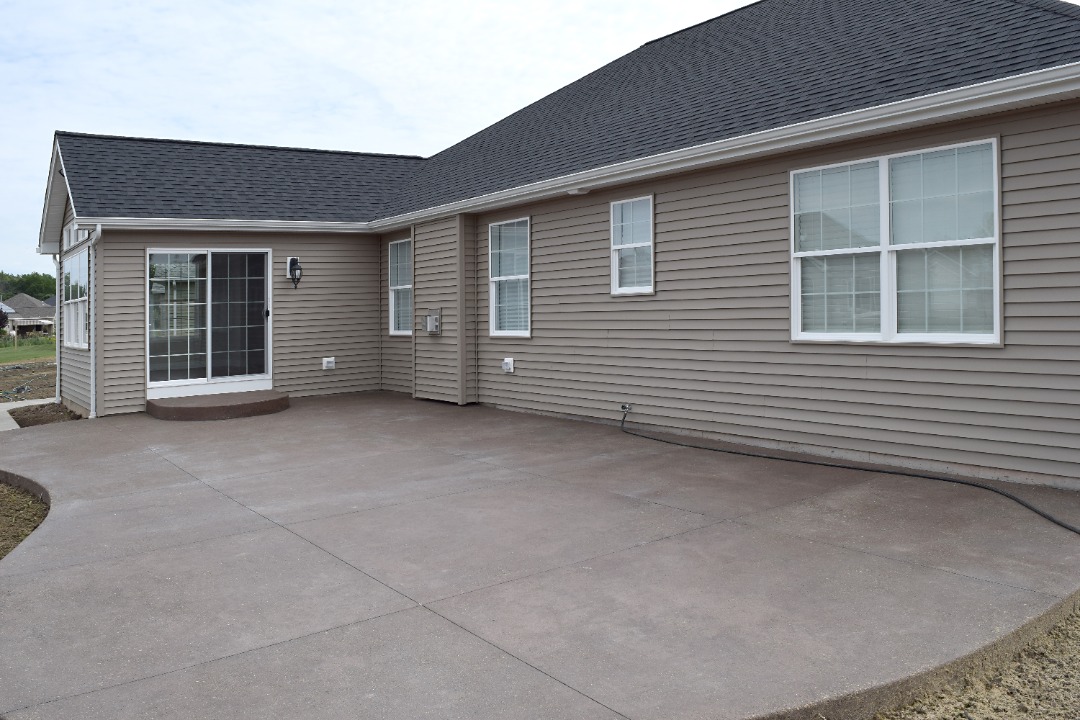
Once the slab is gone, do not rush the rebuild. The hidden layer underneath tells a story. If the base is rocky or full of clay pockets, take the extra time to rework it now. Add and compact a proper aggregate base to the depth required by your future surface. For paver patios or walkways, this matters. The right base gives you crisp joints and a surface that drains as designed. If you plan to pour a new slab, get the forms staked carefully and confirm control joint locations that match how you actually use the space.
Reuse what you can. Broken concrete, when sized well, can be reimagined as rustic step stones or stacked to create garden borders. It is not the right fit for every home, but when it works, it saves on disposal and adds texture that feels intentional. Talk through edge restraints, finish textures, and color choices for any new hardscaping while the site is still open and easy to modify. Decisions are simpler when you can see the foundations of the outdoor living space.
Outdoor Living Spaces Vision And A Gentle Invitation
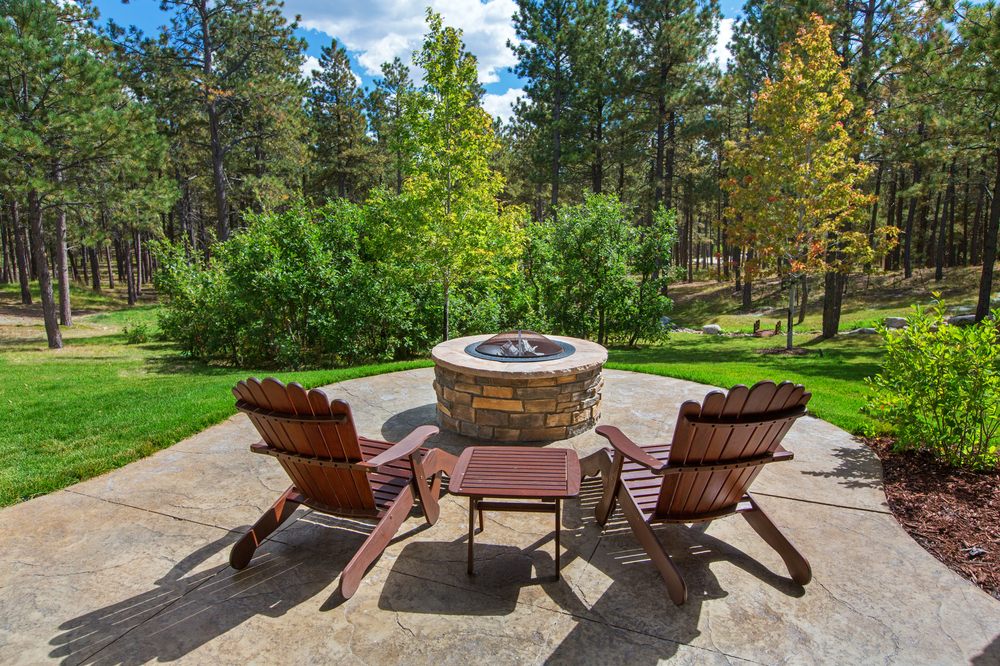
The best part of concrete demolition is what it makes possible. You may have pictured a larger seating area with a fire feature, or a smooth path that finally connects the side gate to the back patio without a trip hazard. You may want a quieter corner with a small water element and simple plantings. With the old slab out, your outdoor living spaces can evolve into something that actually suits your routines. Morning coffee spots. Weekend grilling. Kid-friendly chalk zones that clean up with a quick rinse. Small choices add up to a yard that welcomes you outside more often.
Conclusion
If you are ready to move from planning to action, M1 Landscaping can guide each step with care and clarity. The team handles the messy parts and helps you prep without stress, then builds back with an eye for longevity and style. When you are ready, reach out and contact us. A quick conversation is all it takes to map the plan, get a clean demolition day on the calendar, and start shaping a space you will be proud to use.

SERVICES
Lawn Mowing
Landscaping
Patios
Tree Services
Fire Pits
Artificial Grass
Sod
French Drain
Fertilizer
Irrigation
Outdoor Living Spaces
Outdoor Kitchens
Retaining Walls
Pavers
Lawn Aeration
Hardscaping
Lawn Edging
Landscape Design
Landscape Lighting
Lawn Care
Drainage
SERVICE AREAS
Corona
Eastvale
Norco
Jurupa Valley
Riverside
Rancho Cucamonga
Yorba Linda
Woodcrest
Ontario
Placentia
Anaheim
Irvine
Moreno Valley
Stanton
Garden Grove
Santa Ana
Huntington Beach
Chino
Temecula
Orange
Fullerton
Perris
Mission Viejo
Lake Elsinore
Murrieta
San Jacinto
Menifee
San Bernadino
Colton

"*" indicates required fields