 (714) 519-6348
 info@m1landscapingllc.com
April can make a lawn look like it needs everything at once. In Corona, CA, warmer afternoons can push growth fast, but a cool night or a windy day can still set things back. That is why lawn maintenance feels confusing right now, especially when the yard looks half-awake and half-messy. This blog will help homeowners figure out what to handle first, so the rest of the lawn maintenance in April feels simpler and more rewarding.
Early Signs for April Lawn Maintenance Needs
Checking if Your Grass is Ready for Lawn Mowing
In early April, lawn mowing feels like the obvious first move, but it is not always the smartest one. If the grass is still thin and slow, mowing too soon can scalp the high spots and leave weak areas looking even rougher. A homeowner can usually tell by walking the yard and checking how the blades respond underfoot. If the grass bends and stays down, it is not ready for a clean cut. Lawn maintenance goes better when the grass has enough growth to cut, and the soil under it is not soggy or dusty.
There is also the mower itself to consider, because mowing over leftover winter debris can cause problems. Small twigs, palm fronds, and piles of dried leaves can get stuck under the deck, leaving streaks or clumps behind. Those clumps can smother grass that is already trying hard to green up. A better start for lawn maintenance is to clear what the mower would struggle with, then mow once the lawn looks ready for a tidy cut. Even one careful mow at the right time can set the tone for the season.
Irrigation Checks Before First Watering Begins
Watering is a close second in most people’s minds, but irrigation should not be turned on like it is a light switch. Lines can leak, sprinkler heads can tilt, and valves can stick after a cooler season, even in Southern California. A homeowner might notice one area staying dry while another gets flooded, which is a fast way to waste water and stress the turf. Lawn maintenance in April starts more smoothly when irrigation gets checked before any serious watering schedule begins. A short test run can reveal puddles, weak spray patterns, or blocked heads.
This is also the time to look at how the lawn holds moisture. If the top inch of soil feels damp the day after a light watering, the lawn is getting enough. If it feels dry and dusty by mid-morning, irrigation might need a slow adjustment, not a long soak all at once. In Norco, CA, some properties have open sun and breeze that can dry turf faster than expected, so lawn maintenance requires paying attention to what the yard is doing, not what the calendar says. A balanced start protects roots and helps the lawn wake up without shallow growth.
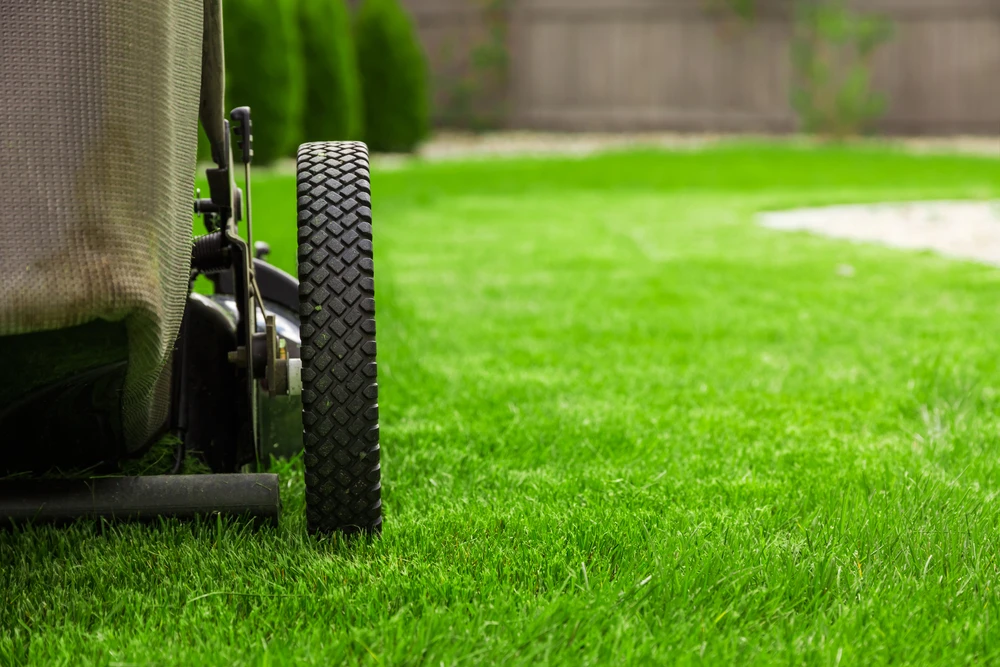
Starting Lawn Mowing after Initial Spring Cleanup
Lawn Mowing After Cleanup: When Short Cuts Hurt
Cleanup sounds simple, but it is often the true first step in lawn maintenance. If a lawn has dead patches of old clippings, leaf bits, or storm debris, lawn mowing can push that mess deeper into the turf rather than remove it. That creates a damp layer that slows new growth and invites fungus in shady spots. A homeowner does not need to make the yard perfect before mowing, but the lawn should be free of anything that would tear the grass or jam the mower. This is where lawn maintenance feels less like a chore and more like setting up a clean slate.
Once the surface is clear, lawn mowing becomes more predictable. Grass cuts more evenly, the mower wheels roll more smoothly, and the lawn looks sharper, even if it is still filling in. In early April, shortcuts can hurt because the sun is starting to warm up, and grass needs leaf surface to make energy. For most yards, the goal is a trim that freshens the look without taking too much off the top. Lawn maintenance is not about making the lawn look like a golf course overnight; it is about helping it build strength for the months ahead.
Effective Irrigation without Watering Thatch
Cleanup is also tied to irrigation in a way many homeowners do not think about. If the lawn has thick thatch, or if leaves are packed into corners along fences, watering can sit on top and never reach the soil well. That can make some areas stay wet while roots stay thirsty, which is a strange problem until it is seen in person. Lawn maintenance improves when debris is removed so irrigation water can actually do its job. Even a light cleanup around sprinkler heads can help water spread more evenly.
Some homeowners in Corona, CA, notice that certain spots always dry out first, usually near heat from concrete or reflected sun off a wall. Before adding more watering time, it helps to confirm that nothing is blocking the spray or soaking up moisture above the soil. A clean surface makes it easier to read the lawn’s real needs, and that keeps lawn maintenance decisions from turning into guesswork. This is also a good moment for simple landscaping checks, like making sure soil and mulch from nearby beds are not washing into the grass line. When the lawn is clear, irrigation adjustments become small and practical rather than frustrating.
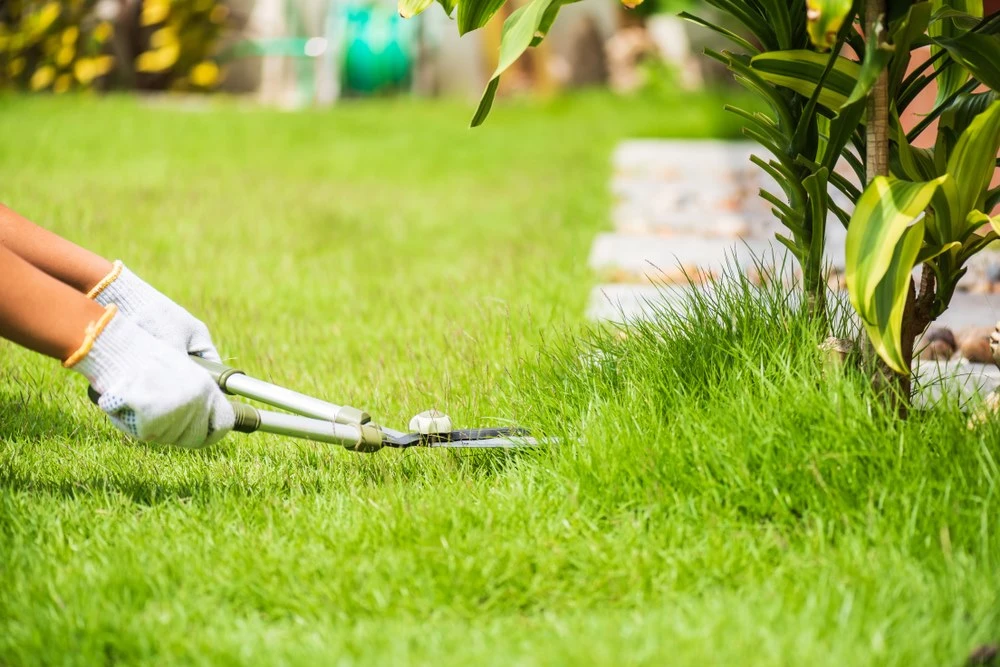
How Irrigation Fits into April Lawn Maintenance
Developing Deep Roots with Proper Irrigation
Watering in April should feel like support, not rescue. If a lawn looks green but feels spongy underfoot, it may already have enough moisture and does not need extra irrigation yet. If it looks dull and the blades fold from dryness, then watering becomes more important for lawn maintenance. The goal is to push moisture a little deeper, so roots chase it downward, rather than staying shallow at the surface. Deep watering does not mean flooding; it means giving the soil time to absorb, then letting it dry slightly before the next cycle.
The best irrigation timing also depends on the yard’s mix of sun and shade. Grass in full sun dries faster, while a shaded lawn can stay damp longer and can struggle if it never dries out. That is why lawn maintenance plans should be adjusted by zone, not treated as a single flat schedule. Homeowners in Norco, CA often have side yards that bake in the afternoon sun, and those areas may require a different approach than a front lawn protected by trees. A careful irrigation routine in the first weeks of April sets up healthier turf for late spring and early summer.
Picking the Best Week for Mowing and Irrigation
Lawn mowing and watering can either help each other or get in each other’s way. If a lawn is watered the night before mowing, the soil can be soft, and mower wheels can leave ruts. If lawn mowing happens first and the lawn is left dry for days, the cut tips can look stressed and brown. Lawn maintenance works best when mowing is done after the lawn has dried from watering, ideally on a day when the grass blades are standing up. That simple timing choice can change how the lawn looks for the entire week.
It also helps to notice how fast the lawn grows after the first few warm spells. Some lawns need mowing more often as April progresses, while others remain slow, especially if they were cut very short at the end of winter. Instead of racing to mow on a strict schedule, lawn maintenance should follow the grass's natural growth. If the lawn is growing, mowing keeps it tidy and supports even growth. If it is not, cleanup and irrigation checks are often the smarter place to spend energy, and the yard will respond more reliably.
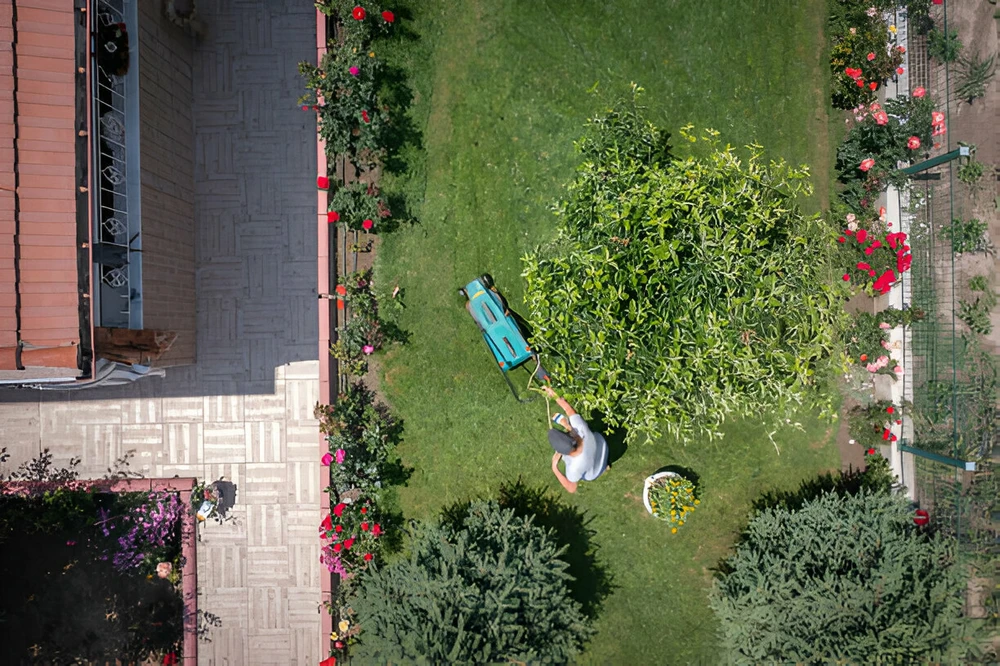
Conclusion
April lawn maintenance can feel like a guessing game at first, but the lawn usually gives clear clues once a homeowner knows what to look for. Cleanup often comes first because it removes barriers that block healthy growth, then lawn mowing becomes safer and more even, and irrigation can be adjusted based on real conditions. We at M1 Landscaping focus on local expertise and tailored solutions, so the lawn gets what it needs rather than a one-size-fits-all approach. Contact us today, and we’ll help you build a plan that fits your property and your schedule.
